Premium Roof Lantern Installations for Kitchen Extensions
Contemporary Roof Lanterns: An Excellent Mix of Aesthetics and Performance
Modern roof lanterns embody a compelling union of aesthetic excellence and practical benefit. They amplify sunlight in living zones while promoting energy conservation. With varied options and materials obtainable, homeowners can find possibilities that fit their unique preferences and demands. Still, the selection journey can be challenging. Understanding how to determine and install the ideal lantern can make a major difference in both aesthetics and functionality.
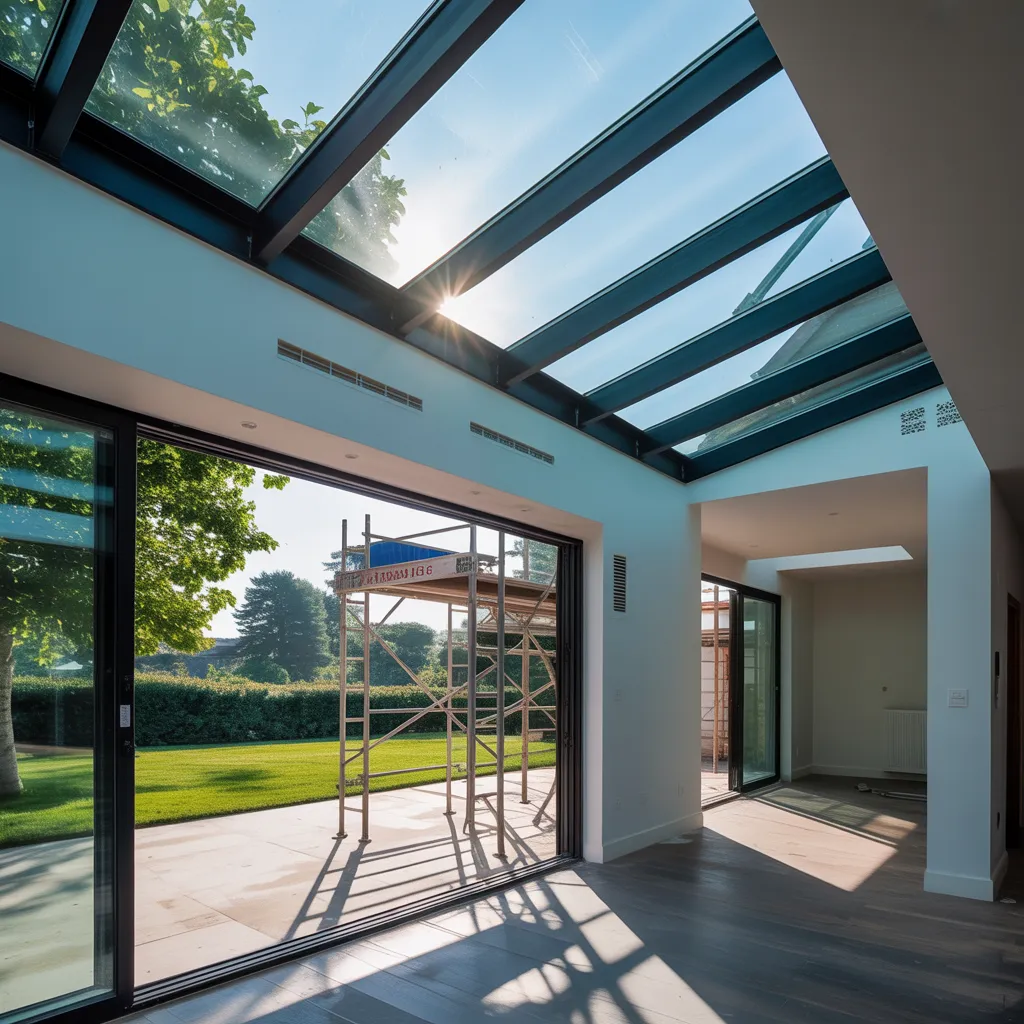
How Roof Lanterns Illuminate Your Space and Reduce Energy
A growing number of homeowners are uncovering the way roof lanterns can greatly enhance sunlight in their spaces while advancing energy efficiency. These architectural features enable light to reach further into interiors, cutting back on artificial lighting during the day. As a result, homes become brighter and more appealing, creating a warm atmosphere for get-togethers and daily activities.
Moreover, roof lanterns can significantly help to reducing energy consumption. By capturing natural light, they help lower electricity bills and decrease the carbon footprint. Enhanced daylight also aids in regulating indoor temperatures, reducing the need for heating and cooling systems.
The strategic placement of roof lanterns can enhance light distribution, guaranteeing even illumination throughout the room. With multiple styles available, homeowners can seamlessly integrate these features into their existing architecture, allowing for a harmonious blend of aesthetics and practicality. Ultimately, roof lanterns constitute a sustainable choice for modern living spaces.
Determining the Right Style for Your Living Space
Choosing the right style of roof lantern is vital for enhancing a home's aesthetic. Harmony with the architectural style and deliberate consideration of material and finish options can substantially impact the overall look and feel. Careful choices in these areas guarantee that the roof lantern enhances the existing design while supplying functional advantages.
Architectural Form Compatibility
Picking the right architectural style for a roof lantern can greatly improve the overall appearance of a home. Ensuring compatibility with existing architectural features is vital; for example, a minimalist lantern blends well with contemporary designs, while ornate styles harmonize with traditional homes. Victorian or Edwardian properties gain from decorative lanterns that show their historical details, producing a cohesive look. On the other hand, a modern roof lantern matches contemporary builds, highlighting clean lines and spacious interiors. Bungalows or craftsman-style homes tend to favor lanterns that use natural materials and simpler forms, aligning with their rustic charm. Ultimately, choosing a roof lantern that resonates with the home's style not only improves the appearance but also supports architectural unity and character.
Material and Finish Selections
While reviewing material and aesthetic options for roof lanterns, homeowners must reflect on how these alternatives determine both aesthetics and functionality. Conventional options feature aluminum, timber, and uPVC, each offering notable advantages. Aluminum is easy to handle and resistant to corrosion, making it a robust option for contemporary looks. Timber, while sophisticated and welcoming, requires ongoing maintenance to retain its splendor. uPVC offers a cost-effective choice, supplying minimal care without compromising on style.
Finish options, such as powder application or anodizing for aluminum, improve durability and allow for diverse color possibilities. Wood surfaces can range from natural stains to painted surfaces, delivering flexibility. Ultimately, picking the suitable material and surface not only boosts the roof lantern's aesthetic charm but also confirms durability and reliability in any home environment.
Critical Directions for Installing Your Roof Lantern
Installing a roof lantern can revolutionize a space, flooding it with daylight and enhancing its overall appearance. To ensure a effective installation, thorough preparation is necessary. First, assess the structural integrity of the roof to bear the lantern's weight. Next, choose the suitable dimensions and design that matches the existing architecture.
prepare all necessary tools and materials before setup. Proper sealing proves essential to stop leaks; apply premium silicone or flashing tape around the edges. It is advisable to collaborate with a partner, as managing large panels can be unwieldy. Additionally, verify that the lantern is properly positioned with the roof's pitch to facilitate drainage.

Lastly, assess the placement of electrical conduit if including lighting. Implementing these tips will create a well-installed roof lantern that boosts both light and style, producing a welcoming atmosphere in any space.
Maintenance Suggestions for Extended-Life Roof Lanterns
Maintaining roof windows is crucial for ensuring their durability and optimal performance. Regular cleaning is important; dirt and debris can block illumination and impact appearance. Homeowners should employ a gentle rag and a gentle glass cleaner to avoid scratching the surface. Regularly checking the seals and joints helps avoid water intrusion that could harm the indoor area. If any wear is noticed, prompt maintenance can avoid expensive replacements in the future.
Furthermore, making sure proper drainage around the lantern avoids water accumulation, which can result in structural issues. During changing seasons, checking for any loose fittings or structural soundness is advantageous. It's also recommended to trim surrounding foliage to minimize debris buildup. Finally, thinking about professional maintenance every few years can provide a comprehensive evaluation and maintenance that ensures the roof lantern remains a functional and beautiful feature of the home for years to come.
Inspiring Transformations With Roof Lanterns
Why should ceiling lanterns revolutionize a space into a stunning focal point? These architectural features strengthen both appearance and helpful tips utility, permitting natural light to flood interiors while creating a sense of lightness. By incorporating a skylight lantern, homeowners can greatly improve the ambiance of living areas, kitchens, or even hallways.
The contemporary styles available today cater to various architectural styles, from clean modern aesthetics to elaborate classical designs. This flexibility indicates roof lanterns can seamlessly integrate into any home, showcasing personal style while adding value.
Alongside their visual appeal, roof lanterns deliver practical benefits. They optimize air flow and lessen dependence on artificial lighting, advancing an eco-friendly living environment.
Ultimately, the strategic arrangement of a roof lantern can ignite changes that turn ordinary spaces into extraordinary ones, making them not just operational, but also enchanting places where families can unite and establish cherished moments.
Common Errors to Avoid When Choosing Roof Lanterns
Choosing the right skylight can considerably impact the total success of the transformation inspired by these architectural features. A typical error is neglecting dimensions; an oversized lantern can dominate a space, while one that is undersized may fail to provide adequate light. In addition, many ignore the importance of material selection. Selecting poor-quality materials can result in issues with durability and energy efficiency.
A common mistake is disregarding the aesthetic of the current architecture. A skylight that clashes with the home's design can compromise aesthetic balance. Additionally, neglecting the direction and placement can result in insufficient daylight at specific hours. Finally, not consulting experts or relying solely on DIY solutions can cause faulty setup, compromising both aesthetics and functionality. By steering clear of these mistakes, homeowners can ensure their roof lanterns enhance their living spaces successfully.
Frequently Requested Questions
Are Roof Lanterns Suitable for Flat Roofs?
Roof lanterns are truly suitable for flat roofs. They provide natural light and ventilation, upgrading the aesthetics of the space while assuring proper water drainage and structural integrity, making them a functional choice for such designs.
What Materials Are Roof Lanterns Generally Built With?
Roof lanterns are usually made from materials comprised of aluminum, uPVC, and glass. These selections deliver resilience, energy efficiency, and attractive appearance, allowing for a mix of modern design and practical use in various architectural settings.
Are Roof Lanterns Suitable for Cold Climates?
Yes, roof skylights can be installed in cold climates. Proper insulation and premium construction materials ensure thermal performance and durability, allowing them to withstand harsh weather conditions while delivering natural light and visual charm.
How Do Roof Lanterns Impact Home Resale Value?
Roof lanterns commonly enhance home resale value by increasing daylight and aesthetic appeal. Potential buyers regularly value the extra architectural interest, making homes with these elements more sought-after in competitive housing markets.
Are there energy-efficient options available for roof lanterns?
Indeed, energy-saving choices can be found for roof lanterns. Many manufacturers supply models with dual or triple-pane glass and thermal coatings, which decrease heat loss and enhance overall thermal efficiency in homes.